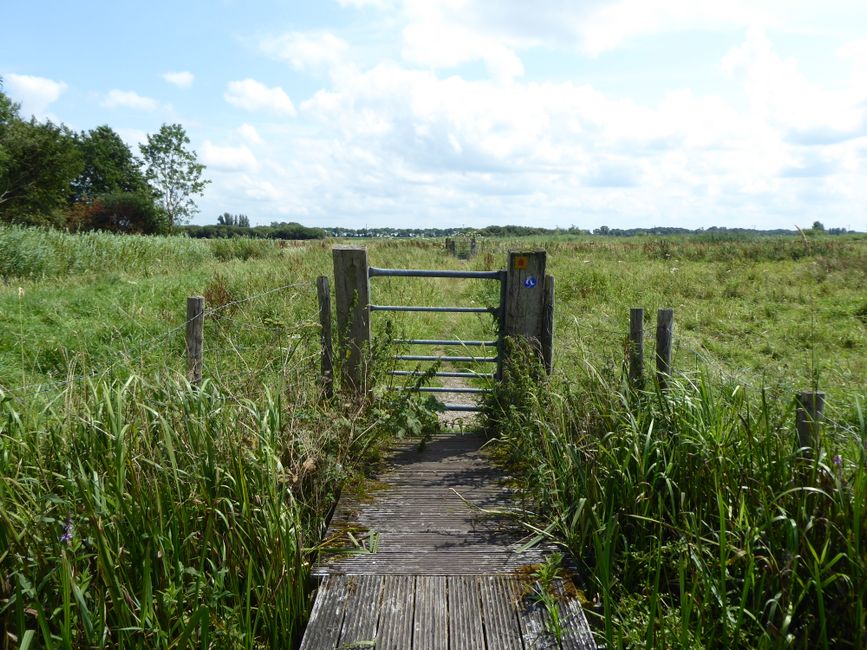
Find trusted Erith gardeners near Erith Marshes nature reserve
If you want to find trusted Erith gardeners near Erith Marshes nature reserve, you are probably after more than a quick mow and a tidy-up. You want someone who turns up, understands local gardens, and treats your outdoor space with care. That matters even more close to Erith Marshes, where wind, damp ground, birds, and changing soil conditions can all affect how a garden looks and performs. The right gardener will notice those details straight away.
This guide walks you through what to look for, how to compare local gardeners, what services make sense for homes near the marshes, and which mistakes are easy to avoid. It is practical, honest, and aimed at helping you make a confident choice without the usual sales noise. Truth be told, choosing a gardener can feel oddly difficult until you know what "good" actually looks like.
Table of Contents
- Why trusted local gardening matters near Erith Marshes
- How the process usually works
- Key benefits and practical advantages
- Who this is for and when it makes sense
- Step-by-step guidance
- Expert tips for better results
- Common mistakes to avoid
- Tools, resources and recommendations
- Law, compliance, standards, or best practice
- Options, methods, and comparison
- Case study or real-world example
- Practical checklist
- Conclusion
- Frequently asked questions
Why Find trusted Erith gardeners near Erith Marshes nature reserve Matters
Gardening near a nature reserve is not quite the same as gardening on a dry suburban street with predictable conditions. Around Erith Marshes, the environment can be a bit more exposed. You may have heavier moisture in the soil, brisker winds, and plants that need choosing with a little more care. A trusted local gardener understands that the same lawn treatment or hedge approach will not suit every property.
That local awareness is important for another reason too: reliability. A good gardener does not simply arrive with tools and a list of jobs. They look at the setting. Is the garden shaded by nearby fencing? Does the lawn stay soft after rain? Are shrubs crowding a narrow path? These are the kinds of details that affect both the appearance and long-term health of the space.
There is also a trust angle, and let's face it, people do not always talk about it enough. You are letting someone into your home environment, often regularly. You want proof of care, decent communication, clear pricing, and a sensible approach to safety. In our experience, the best local gardeners make the whole thing feel calm from the first call.
Expert summary: the best gardener for a home near Erith Marshes is usually the one who combines practical plant knowledge, reliable scheduling, clear quotations, and a tidy working style. Price matters, yes, but consistency matters more.
How Find trusted Erith gardeners near Erith Marshes nature reserve Works
There is no complicated trick here. The process works best when you start by matching the type of help you need with the right kind of gardening service. Some people need regular maintenance. Others need one-off clearance after a busy season or a garden redesign that makes better use of a small outdoor area. If your space is affected by overgrowth, poor drainage, or neglected beds, the job may need a more structured plan.
A trustworthy gardener will usually begin with a look at the site, then explain what needs doing, what can wait, and what may cost more because it is labour-heavy or requires specialist equipment. That first conversation matters. It tells you whether the gardener is listening or simply trying to sell you the biggest possible job. You can spot the difference pretty quickly.
Near Erith Marshes, a good provider will often think in layers:
- Immediate tidy-up: mowing, edging, pruning, and removing obvious clutter.
- Plant and soil condition: checking where water sits, what is struggling, and what needs feeding or replacing.
- Access and boundaries: making sure paths, side returns, fences, and hedges are safe and manageable.
- Ongoing care: setting a realistic maintenance rhythm so the garden does not fall behind again.
For larger or more ambitious work, it may help to look beyond maintenance and consider structured options such as landscape gardening or a full services overview to understand what can be combined in one visit. If your garden is simply out of control, a focused garden clearance can be the quickest way to reset the space.
Key Benefits and Practical Advantages
Choosing a trusted local gardener is not only about convenience. Done well, it saves time, prevents avoidable damage, and helps your outdoor space work better in real life. A garden is supposed to be lived in, not constantly wrestled with.
Here are the most useful benefits you can expect when you choose carefully:
- Better plant choices: Local gardeners are more likely to recommend shrubs, lawns, and borders that cope with your site conditions.
- Less stress: A reliable schedule means you are not chasing people for updates or wondering whether they will turn up.
- Safer outdoor areas: Overgrown edges, unstable branches, and slippery paths are dealt with before they become problems.
- Cleaner presentation: Neatly cut edges, trimmed hedges, and balanced planting make a small garden look much more intentional.
- Improved long-term value: Regular care usually reduces the cost of bigger repairs later on.
There is also a subtle but important benefit: confidence. Once you find a gardener you trust, you stop hovering at the window wondering whether the job will be half-finished. Sounds small, but it changes how you use the garden day to day.
| Need | Best-fit approach | Why it helps |
|---|---|---|
| General upkeep | Regular garden maintenance | Keeps growth under control and avoids bigger jobs piling up |
| Large, messy space | Garden clearance | Removes overgrowth and waste quickly so you can start fresh |
| Struggling lawn | Lawn mowing and seasonal care | Improves appearance and prevents the lawn from thinning out further |
| Untidy hedges or boundaries | Hedge trimming | Restores shape, light, and safe access |
| Tree concerns | Tree lopping and removal | Useful when branches block light or pose a safety issue |
Who This Is For and When It Makes Sense
This kind of local gardening help is ideal for a wide mix of homeowners and landlords. You might need it if your garden is starting to feel too much to handle alone, or if you want a proper finish rather than a quick once-over from someone who "does a bit of gardening on the side". No judgment there, but you can usually tell the difference.
It makes particular sense if you are:
- a homeowner with limited time
- an older resident who wants practical, dependable help
- a landlord preparing a property between tenancies
- a family keeping on top of a busy outdoor space
- someone with a garden that borders open or exposed ground
- a business owner needing tidy frontages or shopfront planting
If your property sits near Erith Marshes, you may also notice that seasonal growth can feel fast and uneven. A damp spell followed by a few warm days can suddenly change the whole feel of the garden. That is often when a reliable maintenance plan becomes worth its weight in gold.
And if you have ever looked out after a storm and thought, "Right, that escalated quickly," you are exactly the kind of person this guide is for.
Step-by-Step Guidance
If you want a smooth result, take the choice step by step. Rushing the decision is where people often end up with missed details, vague quotes, or a garden that looks tidier for about five minutes and then slips back again.
- Define the job properly. Decide whether you need one-off help, regular maintenance, or a larger project. Be specific about the worst areas first.
- Look for local relevance. A gardener familiar with Erith and the conditions around the marshes is more likely to give realistic advice.
- Check the service mix. Some jobs need mowing and trimming. Others need planting, clearance, or structural work like decking or landscaping.
- Ask how they handle waste and finish. A tidy garden job should not leave you with a pile of clippings and no plan.
- Compare quotations like-for-like. Make sure each quote covers the same tasks, not just a headline price.
- Ask about timing and frequency. A single visit may solve the symptom, but a plan solves the pattern.
- Start with a small job if needed. It is perfectly sensible to test the working relationship before booking bigger work.
A practical example: if the hedge is spilling into the path, the lawn is patchy, and the back corner has turned into a tangle of weeds, do not describe it as "general garden help". Say what you want done, what matters most, and what can wait. Clear brief, better result.
Expert Tips for Better Results
Here is where a bit of local experience really helps. Garden work is rarely about one magic fix. It is usually about the right sequence, the right tools, and not trying to do everything in the wrong season.
1. Choose the right maintenance rhythm
A fortnightly visit may suit fast-growing gardens. Others only need monthly attention. If you are near open land or exposed conditions, growth and wind damage can be a bit unpredictable, so it helps to stay flexible.
2. Keep your "priority list" short
When you hand over a long wish list, the most important jobs can get buried. Pick the top three things that matter most. That usually keeps the quote honest and the work focused.
3. Think about light, drainage, and shelter together
People often treat lawn issues, hedge issues, and planting issues as separate. They are not always separate. A shaded, damp, windy spot needs a joined-up approach, especially near the marshes.
4. Use the gardener's eye for layout
Good gardeners do more than cut and tidy. They notice where the garden feels awkward, where access is tight, and where a better layout could make maintenance easier. A smart change now can save hours later.
5. Do not ignore the edges
Paths, fence lines, and borders often make the biggest visual difference. A sharp edge gives the whole garden a cleaner frame. It is a small thing, but it really shows.
One small human truth: a garden can look "fine" to the person who lives in it and still need work. You stop seeing the creeping weeds after a while. We all do.
Common Mistakes to Avoid
Most garden service problems come from a handful of avoidable mistakes. Nothing dramatic, just the usual mix of vague planning and assumptions.
- Choosing only on price: The cheapest quote can become expensive if the work is rushed or incomplete.
- Not asking what is included: Pruning, waste removal, edging, and disposal are not always bundled in.
- Ignoring access issues: Narrow side passages, locked gates, or awkward parking can affect the job.
- Assuming every gardener does every task well: Some are stronger on regular maintenance, others on landscaping or clearance.
- Leaving the garden too long between visits: A little maintenance usually costs less than rescuing a neglected space.
- Overloading one visit: If the scope is huge, the job may need stages rather than one heroic afternoon.
Another common mistake is not talking about weather exposure. Near Erith Marshes, a garden may need sturdier planting and more considered pruning than a sheltered one. That does not mean more fuss. It means better judgement.
Tools, Resources and Recommendations
You do not need to become a gardening expert yourself, but a few practical tools make the process easier. A simple note on your phone, a few photos after rain, and a quick list of problem areas can save time during the first conversation.
Useful things to prepare or ask about include:
- Photos of the garden in different conditions so the gardener can see how it changes after rain or wind.
- A rough sketch or notes showing access points, beds, lawn areas, and anything you want protected.
- A seasonal list of what bothers you most: overgrowth in spring, leaf fall, patchy lawn, or untidy hedges.
- A waste plan if there is a large amount of cut material to remove.
If you are exploring broader improvements, browsing garden maintenance can help you understand what regular care might look like, while lawn mowing and hedge trimming cover two of the most common recurring tasks. For more involved jobs, landscaping and decking services may be worth considering if you want the space to work harder for everyday use.
For a sense of how a business presents its practical policies and standards, you can also review pages such as insurance and safety, health and safety policy, and recycling and sustainability. These are not glamorous pages, granted, but they do tell you a lot about how a company operates.
Law, Compliance, Standards, or Best Practice
For domestic gardening work, the key thing is not usually a mountain of red tape. It is best practice, sensible working methods, and clear communication. If a gardener is using machinery, working at height, handling heavy waste, or removing trees and substantial branches, they should be taking safety seriously and operating in line with normal UK expectations for safe trade work.
You do not need to quiz anyone like a compliance inspector, but it is fair to ask practical questions: Are they insured? Do they work safely around gates, paths, and boundary lines? How do they manage waste? What happens if weather disrupts the plan? These questions are reasonable, and a professional gardener will not mind them.
It is also sensible to check how a business handles payments, privacy, and complaints in the normal course of trade. Pages such as payment and security, privacy policy, complaints procedure, and terms and conditions can give you a clearer picture of how professional the operation feels.
Small detail, but worth saying: good gardeners are generally neat about their own paperwork too. That tends to be a good sign.
Options, Methods, and Comparison Table
Different gardens need different approaches. If you are not sure what to book, this comparison may help you work out the best starting point.
| Option | Best for | Strengths | Watch-outs |
|---|---|---|---|
| One-off tidy-up | Overgrown but manageable gardens | Quick improvement, simple to arrange | Needs follow-up if growth is fast |
| Regular maintenance | Busy households and ongoing care | Keeps the garden under control | Requires a commitment to schedule |
| Garden clearance | Neglected plots or severe overgrowth | Fast reset, useful before redesign | Can be more labour-intensive |
| Landscape gardening | People wanting layout changes or bigger upgrades | Long-term improvement, better function | Needs planning and clearer budget |
| Specialist tree work | Branches blocking light or safety concerns | Improves safety and access | May require more caution and expertise |
If you are deciding between maintenance and a bigger project, ask yourself one simple question: do you want the garden to look better now, or do you want it to work better for the next few years? Ideally both, of course. But your answer changes the brief.
Case Study or Real-World Example
Here is a realistic example. A small family home near the marshes had a back garden that looked okay at first glance, but after a wet spell it became obvious the lawn was struggling and the hedge was swallowing the path. The owners had been putting off the job because it felt too big, which is fairly common. The garden was not a disaster, just awkward and neglected in patches.
A sensible local gardener would usually start by clearing the access areas, trimming back the hedge, mowing and edging the lawn, and removing debris. Then they would look at the deeper issue: where the water sits, which plants are not coping, and whether the border planting needs swapping for hardier choices. Nothing flashy. Just practical, steady improvement.
The difference after one proper visit is often more than visual. The space feels usable again. The path is clearer, the garden smells fresher after a cut, and you can actually picture sitting out there with a cup of tea when the weather behaves. That kind of feeling is hard to fake.
In some cases, the next step would be a longer-term plan that includes regular visits and perhaps a few design changes. For example, if you want more privacy or a calmer feel in a compact space, you might also look at the ideas in strategic tall potted plants for a plush private outdoor environment. It is a helpful reminder that small changes can have a surprisingly big effect.
Practical Checklist
Before you book, run through this checklist. It keeps things simple and stops you forgetting the small bits that turn out to be quite important.
- Have I defined the exact jobs I want done?
- Do I need one-off help or ongoing maintenance?
- Is the gardener familiar with local conditions near Erith Marshes?
- Have I asked what is included in the price?
- Do I know whether waste removal is covered?
- Have I checked insurance, safety, and basic professionalism?
- Am I comparing similar quotes rather than vague estimates?
- Have I described access issues, parking, or boundary concerns?
- Do I want the garden to be simply tidy, or improved for the long term?
- Have I looked at supporting services if the job is bigger than mowing?
If you can tick most of those off, you are in a strong position. Not perfect, maybe, but definitely better than starting from a guess.
Conclusion
To find trusted Erith gardeners near Erith Marshes nature reserve, focus on more than a quick quote. Look for local understanding, clear communication, sensible safety standards, and a working style that fits the way your garden actually behaves. The best choice is usually the one that feels steady, practical, and honest from the first conversation.
Whether you need a proper clearance, regular mowing, hedge shaping, or a more thoughtful redesign, the key is to match the service to the site. Gardens near the marshes can be beautiful, but they often need a bit more attention and a bit more judgement. That is not a problem. It is just part of the setting.
Get a free quote today and see how much you can save.
And if you find the right gardener, you will notice something simple but lovely: the garden stops feeling like a job and starts feeling like yours again.
Frequently Asked Questions
How do I find a trustworthy gardener near Erith Marshes?
Start with local experience, clear communication, and proof that the gardener offers the type of work you need. Ask about maintenance, clearance, or landscaping depending on the condition of the garden, and make sure the quote is specific rather than vague.
What should a good garden quote include?
A proper quote should explain the tasks, the likely time needed, whether waste removal is included, and any extra costs for difficult access or specialist work. If a quote is only a single number with no detail, that is usually a warning sign.
Is regular garden maintenance better than one-off visits?
For many homes, yes. Regular maintenance keeps growth under control and usually reduces bigger rescue jobs later. One-off visits are useful if the garden only needs a reset, but ongoing care is often more cost-effective over time.
What services are most useful for gardens near the marshes?
Commonly, lawn mowing, hedge trimming, garden clearance, and basic planting support are the most useful. Near exposed or damp areas, a gardener may also suggest hardier planting or changes that make drainage and upkeep easier.
How do I know if a gardener is actually experienced?
Look for practical answers. Experienced gardeners usually ask about access, soil, shade, drainage, and what you want to prioritise. They tend to explain what they would do and why, instead of giving a one-size-fits-all answer.
Should I choose the cheapest gardener?
Not automatically. Low price is only useful if the scope is clear and the work is done properly. A slightly higher quote can be better value if it includes waste removal, careful finishing, and a more reliable service overall.
Do I need specialist help for trees or tall hedges?
Sometimes, yes. If branches are large, awkward, or close to boundaries, it is sensible to use someone with the right equipment and safe working approach. Tree-related jobs need more caution than simple pruning, especially near paths or structures.
How often should a garden near Erith Marshes be maintained?
That depends on the garden size, planting style, and how fast things grow. Some gardens need fortnightly care in the growing season, while others are fine with monthly visits. A local gardener can judge this better after seeing the space.
Can I get help if my garden is badly overgrown?
Yes. Garden clearance is designed for exactly that kind of situation. It is often the best first step because it gives you a clean base before you decide on long-term maintenance or redesign.
What if I want privacy as well as tidiness?
That is a common request. A gardener can often help with hedge shaping, planting, or layout changes that improve privacy without making the space feel boxed in. Small structural tweaks can make a big difference here.
Are there safety or insurance questions I should ask?
Absolutely. Ask whether the gardener has suitable insurance and how they handle safe working around tools, waste, and access points. It is a normal question, not an awkward one, and a professional should be happy to answer.
What is the best first step if I am not sure what I need?
Take a few photos, write down the worst problem areas, and ask for advice based on those details. That simple preparation often leads to a better quote and a more useful plan. Small effort upfront, less hassle later.