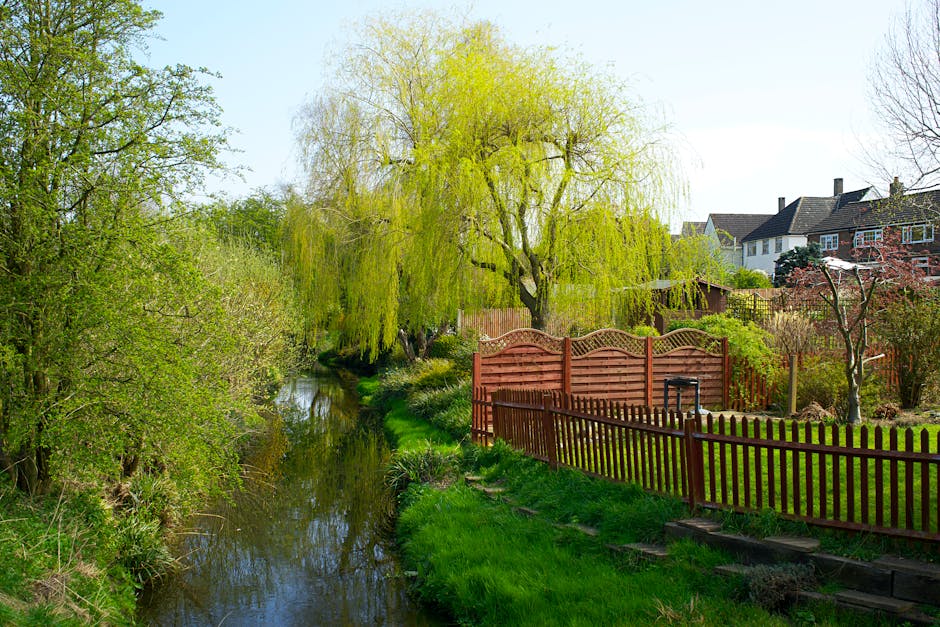
Erith Riverside garden care guide for riverside patios
If you live near the Thames-facing edge of Erith, you already know a riverside patio can look stunning one week and a bit tired the next. Wind, damp air, shaded corners, splashback, and heavier seasonal debris all change how a patio behaves. This Erith Riverside garden care guide for riverside patios is here to make that easier. It focuses on what actually works in a local setting: keeping hard surfaces safe, choosing resilient planting, managing runoff, and building a patio space that still feels calm on a blustery afternoon.
Whether you are looking after a compact courtyard, a larger terrace, or a deck-and-patio mix, the basics are the same: protect the surface, control moisture, keep planting balanced, and stay ahead of maintenance rather than chasing problems later. Sounds simple. In practice, a lot of people miss the small things, and that is usually where the trouble starts.
Below, you will find a practical, human-friendly guide to caring for riverside patios in Erith, including what to prioritise, common mistakes to avoid, and when to bring in professional help. If you are also improving the wider garden, it can be useful to look at ongoing garden maintenance support or broader landscaping options when the whole outdoor area needs a reset.
Table of Contents
- Why this matters for riverside patios
- How riverside patio care works
- Key benefits and practical advantages
- Who this is for and when it makes sense
- Step-by-step guidance
- Expert tips for better results
- Common mistakes to avoid
- Tools, resources and recommendations
- Law, compliance, standards and best practice
- Options, methods and comparison table
- Case study or real-world example
- Practical checklist
- Conclusion
- Frequently asked questions
Why Erith Riverside garden care guide for riverside patios Matters
Riverside patios in Erith face a particular mix of conditions. There is often more moisture in the air, more wind exposure, and a greater chance of organic debris building up after weather changes. Moss, algae, slick paving, stained jointing, and stressed container plants are not just cosmetic issues. They affect how safe, usable, and pleasant the space feels.
That is why a riverside patio needs a slightly different rhythm of care compared with a standard suburban garden terrace. A dry inland patio may only need seasonal attention. A patio close to the river often needs lighter, more regular upkeep, especially during wet or windy spells. You do not have to overcomplicate it, but you do need consistency.
There is also the comfort factor. A well-kept patio turns into a true extension of the home. Tea in the morning, dinner outside, a bit of quiet after work. When the surface is clean and the planting feels in balance, the whole place opens up. Let's face it, nobody wants to sit beside a patio that feels slippery, cluttered, or patchy.
This matters even more if the patio connects to timber features such as decking, fences, or raised planters. In those cases, the surface treatment and drainage approach need to work together. If you are planning upgrades, a look at professional decking services can be helpful alongside patio care, especially where mixed materials meet.
How Erith Riverside garden care guide for riverside patios Works
At its core, patio care for riverside gardens is about three things: surface protection, moisture management, and plant balance. The patio itself needs to shed water properly. The planting needs to cope with changing wind and damp. And the surrounding garden must stay tidy enough that debris does not keep returning to the same corners.
Think of it as a cycle rather than a one-off job. A good patio care routine usually includes sweeping, washing, checking drainage, pruning overhanging growth, topping up or replacing tired planting, and monitoring any cracking or movement in slabs, grout, or edging. If you leave those small details too long, they tend to meet each other in the middle and create bigger repair work. Annoying, but true.
In a riverside setting, the frequency matters. A light sweep every week or two can prevent grime from embedding in the surface. After heavy rain or windy weather, a quick visual check helps spot puddling, leaf build-up, or algae before it becomes stubborn. This is especially useful in shaded areas, where surfaces dry more slowly and can stay slick.
For some homes, patio care is only part of the picture. If the wider garden is also overgrown or cluttered, the space can feel permanently damp and dim even when the patio is clean. In that situation, a more structured tidy-up, such as garden clearance, may be the sensible first step before you fine-tune the patio itself.
Key Benefits and Practical Advantages
A good riverside patio care routine delivers benefits you will notice almost immediately, and a few you will appreciate later.
- Better grip and safety: Regular cleaning reduces algae and slick film on paving, which is especially useful after rain.
- Longer surface life: Removing debris and monitoring drainage helps reduce wear on slabs, joints, and timber edges.
- Cleaner visual lines: A tidy patio makes compact outdoor spaces feel larger and calmer.
- Healthier planting: Good care prevents waterlogging, mildew, and weak growth in containers and borders.
- Less expensive catch-up work: Small, regular jobs are usually easier than major repairs after months of neglect.
There is a more subtle advantage too: a well-managed patio changes how you use your garden. People tend to step outside more often when the space feels looked after. A dry chair, a clean surface, a pot of herbs that actually looks alive. It sounds small, but it changes the whole mood.
If you are improving your garden on a broader scale, combining patio care with services like lawn mowing or hedge trimming can help the entire outdoor space feel more cohesive. One neat area next to one untidy area usually just highlights the untidy bit. Gardens can be brutally honest like that.
Who This Is For and When It Makes Sense
This guide is useful for homeowners, landlords, tenants with outdoor responsibility, and anyone maintaining a patio near the water or in a damp, wind-exposed pocket of Erith. It is especially relevant if you:
- have paving that turns green quickly
- notice leaves, silt, or grit collecting near the edges
- use pots, planters, or raised beds on the patio
- have timber decking beside the patio
- want the space to feel usable all year, not just in summer
- are planning to sell, let, or refresh the property
It also makes sense if you have already noticed warning signs: pooling water after rainfall, hairline cracks, loose pointing, or patches of algae that keep returning. These are all small clues, and they usually mean the area needs a bit more attention than a quick sweep.
For people with busy schedules, an outside area can slip down the list fast. That is normal. The trick is not to wait for perfection. A good enough routine, done regularly, usually beats a big, heroic clean-up once or twice a year.
Step-by-Step Guidance
Here is a practical way to look after a riverside patio without overdoing it. You can adapt this to a small courtyard, larger terrace, or patio that connects to decking or borders.
- Clear loose debris first. Sweep away leaves, twigs, bird mess, and grit before washing. If you wash first, you often just move the mess around.
- Check how water moves. After rainfall, look for puddles, slow-draining edges, or areas that stay damp longer than the rest.
- Treat slippery growth early. Algae and moss are easier to tackle when they first appear. Leaving them for weeks makes the job much harder.
- Wash the surface carefully. Use an appropriate cleaner for the material, whether that is natural stone, concrete, porcelain, or timber-adjacent surfaces. Too much pressure can damage joints or soften the surface finish.
- Inspect joints and edging. Look for loose sand, crumbling mortar, or gaps where weeds can root.
- Prune surrounding growth. Cut back any plants that constantly shadow the patio or drop heavy debris on it.
- Refresh pots and planting. Replace tired soil, dead stems, and waterlogged containers. On windy river-facing spots, choose pots that are stable rather than overly light.
- Reassess after bad weather. A quick post-storm check helps you catch issues while they are still simple.
A useful rule of thumb: if you can feel yourself hesitating to step outside because the patio looks too damp, too messy, or too awkward underfoot, it is probably time for action. Don't wait until the next sunny weekend, because that one may arrive with a pile of other jobs attached.
| Task | Typical rhythm | Why it helps on riverside patios |
|---|---|---|
| Sweeping | Weekly or after windy weather | Stops grit, leaves, and damp debris from settling into corners |
| Surface cleaning | Seasonally or as needed | Reduces algae, staining, and slippery buildup |
| Drainage check | After heavy rain | Finds puddling and runoff issues before they worsen |
| Pruning and trimming | Monthly or seasonally | Improves airflow and light, which helps the patio dry faster |
| Pot and planter review | Every few weeks in wet months | Prevents waterlogging, root stress, and clutter |
Expert Tips for Better Results
There are a few small details that make a big difference, and this is where many patio owners get caught out.
First, match the cleaning method to the surface. A porcelain patio is not treated the same way as sandstone or timber. High pressure can damage softer materials, and harsh cleaners can leave residues that attract dirt later. If you are unsure, go gentler rather than harder. It is rarely the dramatic solution that wins.
Second, improve airflow wherever you can. Riverside patios often sit in sheltered pockets where damp lingers. Trimming back dense shrubs, lifting low-hanging growth, and spacing containers slightly apart can help surfaces dry more quickly after rain or misty mornings. Little thing, big effect.
Third, think about planting for the location, not just the look. Wind-tolerant, low-mess plants usually work better than delicate, high-maintenance varieties. Herbs, structural grasses, evergreen texture, and sturdy container plants often do well if they are given stable pots and decent drainage. If the whole border needs redesigning, a broader landscape gardening approach may save effort in the long run.
Fourth, avoid overfilling the patio. A lot of patios become difficult because they are simply overloaded. Too many planters, too much furniture, too many decorative items. The eye never rests, and cleaning becomes fiddly. A clearer layout is easier to maintain, and oddly enough it often looks more expensive too.
Fifth, plan around the seasons. Late autumn and winter often bring the most leaf fall, while spring is a good time for full refresh work. Summer can hide problems because everything looks brighter. Then September arrives and, well, the patio tells the truth.
Common Mistakes to Avoid
Riverside patio care is not difficult, but a few common errors keep repeating.
- Using too much pressure washing: This can damage joints, loosen pointing, and create more problems than it solves.
- Ignoring drainage: If water sits in the same place every time it rains, cleaning alone will not fix the underlying issue.
- Letting shading get out of hand: Dense overgrowth traps moisture and encourages algae.
- Choosing the wrong pots: Lightweight containers can shift in wind and tip over when soil becomes saturated.
- Leaving debris in corners: Grit and leaves build up in edges, along walls, and near steps. Those areas need extra attention.
- Forgetting about transitions between materials: Patio-to-deck junctions are common trouble spots where dirt and moisture collect.
A small but important one: people often clean the centre of the patio and forget the margins. But the margins are where damp starts. The edge tells you what is coming next.
If you are dealing with bigger growth problems at the boundary of the patio, a careful tidy-up using tree lopping and removal support may be appropriate where mature trees or heavy branches are contributing to shade, leaf fall, or root-related disturbance. That is not always needed, of course, but it is worth considering when the pattern keeps repeating.
Tools, Resources and Recommendations
You do not need a garage full of equipment to look after a riverside patio properly. A sensible kit is enough.
- Stiff outdoor broom: Good for weekly debris removal.
- Bucket and garden hose: Useful for light rinsing and spot cleaning.
- Soft brush or deck scrubber: Helps clean joints and textured surfaces without being too aggressive.
- Patio-safe cleaner: Choose one suitable for your surface material.
- Pruning shears: Handy for trimming back nearby plants and tidying pots.
- Gloves and sturdy footwear: Especially sensible if you are dealing with slippery growth or wet stone.
- Watering can with a fine rose: Better for container plants than a hard blast from a hose.
If the patio is part of a wider maintenance routine, it helps to map the jobs by season. For example, spring may be for deep cleaning and planting refreshes, while autumn is more about leaf control and drainage checks. That schedule keeps the work lighter and more predictable.
And if the garden has become a bit much after winter, there is no shame in seeking a hand with the broader tidy-up. In many cases, combining patio care with routine maintenance is much more efficient than treating every task separately.
Law, Compliance, Standards and Best Practice
For most domestic patio care in Erith, you will not be dealing with complex legal issues. Still, sensible best practice matters, especially if you are using contractors, working near shared access, or handling waste from a larger tidy-up.
If a professional is doing the work, it is reasonable to expect safe working methods, proper insurance, and care around access routes, property surfaces, and nearby people or pets. You can also check a company's insurance and safety information and their approach to health and safety before booking. That is just good sense, really.
For waste from pruning, clearance, or broken planters, best practice is to separate reusable material from general waste where possible and dispose of everything responsibly. If you are clearing a lot at once, it may be more efficient to look at recycling and sustainability as part of the plan rather than as an afterthought.
There is also the issue of boundaries and shared spaces. If your patio abuts a neighbour's fence, a communal passage, or a shared wall, keep overhanging growth and runoff under control. A tidy garden is one thing; a tidy garden that respects the people around it is better.
Options, Methods, or Comparison Table
Different patios need different levels of input. Here is a simple comparison of common care approaches.
| Method | Best for | Advantages | Watch-outs |
|---|---|---|---|
| Light DIY upkeep | Small patios, regular users, low-mess layouts | Cheap, flexible, easy to keep on top of | Can miss drainage or material-specific issues |
| Seasonal deep clean | Patios that go green or dull over winter | Restores appearance and removes built-up grime | Needs care to avoid surface damage |
| Full patio-and-border refresh | Overgrown or tired gardens | Transforms the whole area, not just the hard surface | Takes more planning and usually more labour |
| Professional maintenance visit | Busy households, larger properties, problem surfaces | Efficient, thorough, safer for tricky tasks | May cost more than a simple DIY tidy |
For many homes, the best choice is a mix: do the small weekly jobs yourself, then bring in help for the heavier work or seasonal reset. That balance keeps things manageable without letting the space drift.
Case Study or Real-World Example
Here is a realistic scenario. A riverside property in Erith has a modest patio outside the kitchen. The owner notices that after wet weather, the paving near one wall stays darker than the rest and develops a mild slippery film. Pots are crowded together, a tall shrub is leaning over from the border, and a few older slabs are collecting grime at the joints.
The fix is not dramatic. First, the patio is cleared and swept. Then the overhanging growth is trimmed back so the area gets more airflow and a little more light. Next, the surface is cleaned gently rather than blasted. The pots are spaced out, with two poor performers removed and replaced by hardier container plants. Finally, the drainage line is checked after the next rainfall to make sure the same corner is not holding water.
Within a short time, the patio feels brighter and easier to use. Not brand new. Just properly looked after. That is usually the sweet spot. People often want a total transformation, but a steady, sensible reset can be enough to make the space enjoyable again.
If the rest of the garden is part of the problem, a wider maintenance visit can be more efficient than tackling the patio alone. In that kind of situation, services overview information can help you work out what combination of support makes sense.
Practical Checklist
Use this checklist to keep a riverside patio in better shape through the year.
- Sweep away loose debris at least weekly in damp or windy periods.
- Check for standing water after rain.
- Remove algae or moss before it becomes a larger patch.
- Inspect joints, edges, and steps for wear or movement.
- Trim nearby plants that shade the patio or shed heavily.
- Rearrange or reduce cluttered pots and furniture.
- Use cleaning methods that suit the material.
- Keep walkways clear and safe underfoot.
- Review the patio after storms or long wet spells.
- Book a more thorough tidy-up if problems keep coming back.
Expert summary: the best riverside patio care is not about making the area perfect. It is about keeping moisture, debris, and overgrowth under control so the patio stays safe, attractive, and easy to live with.
Conclusion
A riverside patio in Erith can be one of the nicest parts of the home, but only if it is cared for with the local conditions in mind. Damp air, wind, shade, and debris all shape how the space behaves. Once you understand that, the job becomes much more manageable. Clean gently, check drainage, trim back growth, choose sturdy planting, and stay consistent. That is really the heart of it.
It is easy to put these jobs off because they do not always feel urgent. Then one wet week later, the patio feels a bit less welcoming, and the clean-up suddenly looks bigger than it should. Better to chip away at it now. A little and often approach goes a long way, and truth be told, it makes the whole garden feel more peaceful.
If you are weighing up what to do next, start with the area that is causing the most friction: slipping surfaces, overgrown edges, or cluttered planting. Once that is under control, the rest usually follows more easily.
Get a free quote today and see how much you can save.
And if you want to learn more about the team behind the work, you can always read about us before taking the next step.
Frequently Asked Questions
How often should I clean a riverside patio in Erith?
For most patios, a light sweep every week or two is a good baseline, with a deeper clean seasonally or whenever algae and grime start to build up. If the area is especially shaded or exposed to falling debris, you may need to do it more often.
Why do riverside patios get slippery so quickly?
Moisture lingers longer near the river, and shaded surfaces dry more slowly. Add a bit of algae, fine debris, or silt, and the patio can become slippery quite fast, especially after rain.
What is the best way to clean patio slabs without damaging them?
Use the gentlest method that gets the job done. Sweep first, wash with a surface-appropriate cleaner, and avoid excessive pressure on softer stone or damaged joints. If you are unsure about the material, test a small area first.
Do I need professional help for patio maintenance?
Not always. Smaller patios with light debris can often be maintained by the homeowner. Professional help makes more sense if the surface is heavily stained, the patio keeps growing slippery patches, or the surrounding garden needs a bigger reset.
Can planting help reduce patio maintenance?
Yes, if you choose the right plants. Low-mess, wind-tolerant, well-draining planting can reduce leaf drop, mildew, and constant trimming. Overly delicate or messy plants usually create more work than they are worth in a riverside setting.
What should I do if water keeps pooling on part of the patio?
Start by checking whether debris, blocked drainage, or uneven paving is causing the problem. If puddling keeps returning after cleaning, the underlying slope or surface may need attention.
Is pressure washing safe for all patio types?
No. It can be useful in some cases, but too much pressure may damage joints, loosen pointing, or mark softer materials. Always match the method to the surface, and go carefully.
How can I stop pots from blowing over near the river?
Use heavier containers, wider bases, and well-balanced planting. Grouping pots sensibly can also help, but avoid crowding them so tightly that airflow and cleaning become difficult.
What time of year is best for a patio refresh?
Spring is often ideal for a full refresh because you can clean, repair, and replant before the main growing season. Autumn is a good time for leaf control and preparing the space for wetter weather.
Does a tidy patio really make a big difference to the garden?
Absolutely. A clean, dry, well-organised patio often changes how the whole garden feels. It creates a visual anchor and makes the outdoor space more inviting, even when the rest of the garden is still a work in progress.
What if my patio is fine, but the surrounding garden is not?
That happens a lot. In that case, the patio may be reacting to overgrowth, shade, or debris from nearby beds and hedges. Addressing the wider area can make the patio easier to maintain long term.
How do I know when it is time to get a quote?
If the patio keeps getting slippery, the cleaning no longer lasts, or the garden needs a broader tidy-up, it is probably time to explore options and compare what level of support is most sensible.