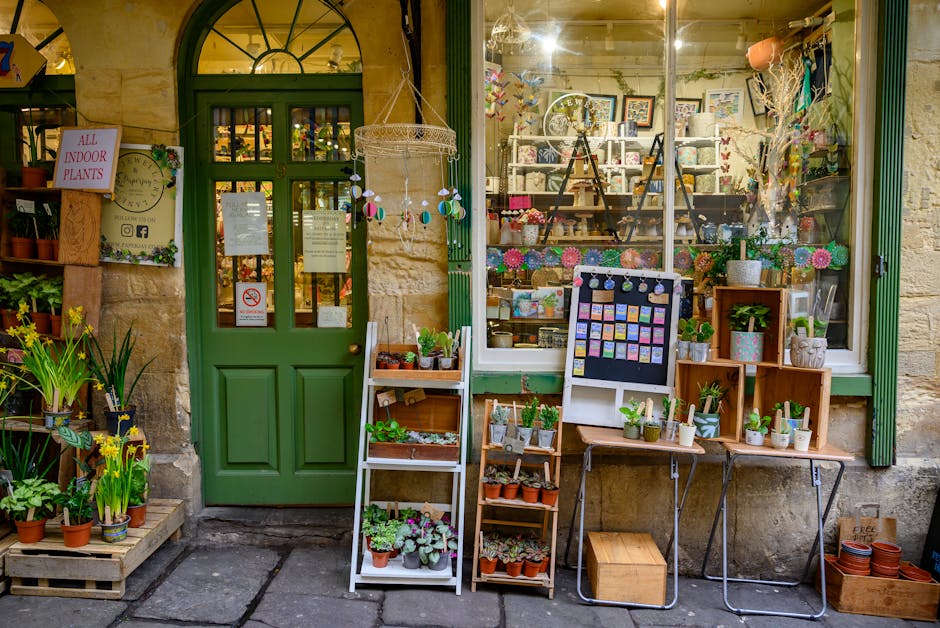
Erith High Street gardeners guide for small shopfront gardens
Small shopfront gardens can do a lot of quiet work for a business. They soften a frontage, make a pavement feel more inviting, and give people a reason to slow down for a second. On Erith High Street, where first impressions matter and space is usually tight, the right planting plan can turn a scruffy strip of soil, a couple of planters, or a narrow paved edge into something tidy and genuinely welcoming.
This Erith High Street gardeners guide for small shopfront gardens is written for owners, managers, landlords, and anyone who has to keep a compact frontage looking cared for without spending every spare minute on it. The focus is practical: what works in small spaces, how to keep maintenance realistic, and how to avoid the common mistakes that make front gardens look tired by week three. A little planning goes a long way. Honestly, sometimes it is the difference between "nice enough" and "people actually notice this place".
If you are exploring professional help, it can also be useful to look at the wider gardening services overview and the team's background and approach before you decide what level of support you need.
Table of Contents
- Why small shopfront gardens matter on Erith High Street
- How a small shopfront garden is planned and maintained
- Key benefits and practical advantages
- Who this guide is for
- Step-by-step guidance
- Expert tips for better results
- Common mistakes to avoid
- Tools, resources and recommendations
- Law, compliance, standards and best practice
- Options, methods and comparison table
- Case study or real-world example
- Practical checklist
- Conclusion
- Frequently asked questions
Why Erith High Street gardeners guide for small shopfront gardens Matters
A shopfront garden is not just decoration. It is part of the customer journey. People notice whether the entrance feels cared for before they notice the price board, the opening hours, or even the sign above the door. That is especially true on a busy high street, where many frontages compete for attention and some areas are passed quickly. A small planted area can communicate order, pride, and consistency in a way that signage alone cannot.
For local businesses, the challenge is rarely lack of ambition. It is lack of space, time, and patience for high-maintenance planting. A narrow bed outside a cafe, a single raised planter by a barber shop, or a handful of tubs beside a convenience store all need different choices. The wrong plants grow too fast, spill into walkways, or look ragged when the weather turns. The right ones stay compact, keep shape, and look presentable even on a Tuesday morning when nobody has time to fuss over them.
There is also a practical side. Small front gardens can help reduce glare from hard paving, make an entrance feel less stark, and create a more comfortable edge between the street and the building. In winter they add structure; in summer they add life. Not magic, just good design. But good design is often what people remember.
Expert summary: The best shopfront gardens on a high street are rarely the flashiest. They are the ones that look tidy in all seasons, suit the amount of light available, and can be maintained in a realistic amount of time.
How Erith High Street gardeners guide for small shopfront gardens Works
Small shopfront garden planning starts with the site, not the plants. That sounds obvious, but it is where many projects go a bit sideways. You first look at how much sun the area gets, how exposed it is to wind, whether pedestrians brush past it, and whether rainwater drains cleanly or collects in a corner. A plant that looks great in a sheltered nursery bench can be miserable beside a windy pavement.
Then comes the layout. In a compact frontage, structure matters more than quantity. One or two strong anchor plants, a repeat pattern of lower-growing material, and a clean edge often work better than packing in too many species. Too much variety can make a small space look busy and less polished. A shopfront garden has to read clearly from a few steps away.
Maintenance is part of the system as well. If nobody can water, deadhead, trim, and clear litter regularly, the design should be simpler. A well-chosen low-maintenance scheme beats a high-maintenance one every time. There is no prize for making life harder than it needs to be.
In practice, the process usually involves:
- Assessing the frontage, light levels, exposure, and available planting area.
- Choosing a style that suits the business image and the building.
- Selecting tough, compact plants that cope with urban conditions.
- Planning soil, compost, containers, and drainage so roots stay healthy.
- Setting a maintenance routine that matches the business's opening hours and staffing.
If you are considering professional support, it helps to review pricing and quote options early so the work can be matched to your budget rather than guessed at after the fact.
Key Benefits and Practical Advantages
Small shopfront gardens can deliver more value than they appear to at first glance. The benefits are both visual and operational, and in a retail setting that combination is important. You want something that looks good, yes, but you also want something that does not become yet another task on the weekly list.
1. Better first impressions
A tidy front garden suggests the business pays attention. Customers tend to read that as care in other areas too. It can be subtle, almost unconscious, but it matters.
2. More inviting entrances
Plants soften hard materials like brick, concrete, and metal shutters. This can make a doorway feel less abrupt and more approachable. For cafes, salons, convenience stores, and independent retailers, that small lift can help people pause and step inside.
3. A manageable way to improve a compact frontage
Not every business can renovate signage or replace flooring. A small planted area is often a relatively accessible improvement with a noticeable effect. Even a few large containers can change the mood of a frontage.
4. Seasonal interest without a full redesign
With the right plant mix, you can keep the frontage interesting through the year. Evergreen structure, reliable foliage, and a few seasonal accents are usually enough. You do not need a full horticultural performance every month. Let's be fair, most businesses are not looking to run a botanical display.
5. Easier brand consistency
Planting can quietly echo the tone of a brand. Clean and minimal suits one business; warm and abundant suits another. The trick is consistency. A strong frontage feels intentional, not improvised.
| Feature | Low-maintenance planting | Mixed decorative planting |
|---|---|---|
| Look and feel | Clean, reliable, neat | More layered and decorative |
| Work needed | Lower, easier to keep tidy | Higher, especially in growing season |
| Best for | Busy shopfronts, limited staff time | Businesses with regular upkeep support |
| Risk level | Lower risk of looking tired quickly | Higher risk if maintenance slips |
Who This Is For and When It Makes Sense
This guide is for anyone responsible for a small commercial frontage on or near Erith High Street. That might be a business owner, a landlord, a property manager, or a tenant who has inherited a tiny patch of planting and is wondering how on earth to keep it presentable. If that sounds familiar, you are in the right place.
It makes sense to invest in a small shopfront garden when the frontage is visible to passing footfall, when the entrance looks a little bare, or when you want to improve the experience without major building work. It also makes sense when customers wait outside, queue near the doorway, or spend time looking at the window display. In those moments, the planting is part of the atmosphere.
On the other hand, if the site is highly exposed, constantly trampled, or already overloaded with signage and equipment, then the answer may be simpler rather than more elaborate. Sometimes the smartest move is a couple of robust planters and a strict maintenance routine. Simple is not a compromise. Sometimes it is the right answer.
This approach is especially useful for:
- independent retail shops
- cafes and takeaway frontages
- hair and beauty businesses
- small offices with customer entrances
- landlords preparing a unit for viewing
- businesses that want a better street presence without major works
Step-by-Step Guidance
Here is the practical bit. If you want a small shopfront garden to look good and stay that way, work through the job in a sensible order. Rushing straight to plant shopping is where many people trip up.
Step 1: Measure the space properly
Measure the width, depth, and any awkward corners. Note where people walk, where doors open, and where deliveries or bins pass through. Even a few centimetres can matter in a tight frontage. A planter that looks modest on paper can feel bulky in real life.
Step 2: Study light, wind, and drainage
Watch the area across a day if possible. Morning shade, afternoon sun, and gusty corners all affect plant choice. Poor drainage is a common problem in tiny beds and containers, so check whether water sits after rain or drains away quickly.
Step 3: Decide the job of the garden
Ask what you want the space to do. Do you need a neat frame for the entrance? A splash of colour? Privacy from the street? A soft barrier between passers-by and the window? Different goals lead to different planting choices.
Step 4: Choose a simple design structure
For most shopfronts, use one clear structure:
- one taller focal plant or feature container
- a middle layer of compact planting
- a low edge to keep the scheme clean
This gives shape without clutter. In small spaces, structure is everything.
Step 5: Pick plants that can cope
Look for compact, resilient plants suited to their conditions. Urban frontages often need plants that tolerate reflection, wind, occasional dryness, and a bit of foot traffic. If a plant needs constant babying, it will probably become a problem later.
Step 6: Build in practical maintenance
Set watering, trimming, litter-picking, and seasonal refresh tasks into a real schedule. If the business opens early, make sure maintenance can happen without blocking access. A two-minute tidy is often enough to stop small issues becoming obvious ones.
Step 7: Review after a few weeks
Look at what is thriving and what is sulking. Small schemes are easy to tweak. Move a pot, reduce overcrowding, swap a weak plant, or rework the edge. Gardening is a bit like retail display: it improves when somebody actually checks how it performs in the real world.
Expert Tips for Better Results
A few practical tips can save you a lot of frustration. These are the things that tend to make a frontage feel polished rather than merely planted.
- Use larger containers than you think you need. Small pots dry out quickly and look cramped fast.
- Repeat shapes and colours. A repeated rhythm feels calmer than a crowded mix.
- Keep the edge crisp. Clean borders, trimmed foliage, and weed-free surfaces do half the visual work.
- Choose hardy materials. Tubs, liners, compost, and fixings should survive weather, handling, and daily movement.
- Think about winter first. If the garden only looks good in June, it is not really doing the job.
- Leave breathing room. Plants need space to grow, and a tight frontage can look messy very quickly if you overfill it.
One small trick that often helps: stand across the street and look at the frontage from a customer's point of view. What reads clearly? What disappears? What looks cluttered? You will notice things from that distance that are easy to miss when you are standing right beside the pots with soil on your shoes and a slightly tired expression.
If sustainability matters to your business, it is also worth thinking about waste reduction and material reuse from the start. The team's recycling and sustainability approach is a helpful reference point when planning greener maintenance habits.
Common Mistakes to Avoid
Most disappointing shopfront gardens fail for ordinary reasons. Not dramatic reasons. Just small misjudgements repeated over time.
Choosing plants for looks only
That fluffy, flower-heavy plant in the garden centre may look lovely, but if it hates wind or dries out in a day, it will stop looking lovely very quickly. A frontage needs resilience first, beauty second, and ideally both.
Using too many different plants
Small spaces can become visually noisy fast. Too much variety makes maintenance harder and can make the frontage feel smaller than it is.
Ignoring watering reality
Plants in planters need more regular watering than plants in open ground. If no one is assigned that task, the garden will tell on you. Usually by drooping.
Letting containers block access
Even a nice planter becomes irritating if it narrows the path or gets in the way of customers, staff, or delivery movement. A shopfront garden should support flow, not interrupt it.
Forgetting seasonal change
A design that looks good in April but bare in November needs a rethink. Evergreen structure helps hold the space together when flowers are absent.
Not planning for maintenance during busy periods
If the only tidy-up time is when the shop is packed, the front garden will probably be the first thing neglected. Better to choose a scheme that fits the real rhythm of the business. Truth be told, most problems are scheduling problems wearing a horticultural hat.
Tools, Resources and Recommendations
You do not need a van full of equipment to look after a small frontage, but the right basics make the job easier and faster.
- Watering can or hose access: essential for containers and new planting.
- Hand fork and hand trowel: useful for planting, light weeding, and refreshing compost.
- Bypass secateurs: for neat pruning and deadheading.
- Gloves: not glamorous, but absolutely worth it.
- Compost or soil improver: helps refresh tired containers and improve growth.
- Mulch: reduces moisture loss and keeps the surface tidier.
- Sturdy containers: best if they are stable, weather-resistant, and sized correctly.
For businesses wanting a broader service relationship rather than a one-off tidy-up, it can help to understand the full range of support first. The services overview is a sensible place to start, and if you want to speak with someone directly, the contact page gives you a straightforward next step.
There are also a few practical documents worth knowing about if you are hiring a service for regular work. For example, a clear health and safety policy, insurance and safety information, and terms and conditions help set expectations. That sort of paperwork may not be exciting, but it does matter. Quite a lot, actually.
Law, Compliance, Standards, or Best Practice
For a small shopfront garden, the main concern is usually not complex legal compliance. It is basic good practice: keep entrances clear, avoid creating trip hazards, and make sure the space does not obstruct pedestrian movement or emergency access. In a busy high street setting, common sense and tidy maintenance go a long way.
If the frontage sits on leased property or shared public-facing space, it is sensible to check who is responsible for the planting, watering, waste removal, and any damage caused by containers or fixtures. The answer is not always obvious, and it is much easier to agree it early than to untangle it later.
Good practice also includes:
- keeping walkways free of overhanging stems or loose debris
- using containers that will not topple easily in wind
- avoiding sharp edges or broken pots
- preventing water runoff from creating slip risks
- using sensible methods for pruning and lifting heavy items
If a contractor is involved, it is reasonable to ask how they handle site safety, waste disposal, and payment arrangements. Pages such as payment and security, privacy information, and the accessibility statement can also be helpful when you are choosing a provider with a transparent approach.
Nothing fancy here. Just careful, professional work and a clear understanding of the space.
Options, Methods, or Comparison Table
There is more than one way to improve a shopfront garden. The best method depends on how much time you have, how much weather exposure the site gets, and how important flexibility is to the business.
| Method | Best for | Pros | Watch-outs |
|---|---|---|---|
| Ground-level planting | Small beds with enough soil depth | Natural look, less drying out than pots | Needs edging and regular weeding |
| Large planters | Sites with limited soil or paved frontages | Flexible, easy to reposition, good for structure | Can dry out quickly, needs watering discipline |
| Mixed containers and seasonal displays | Businesses that want visual interest | Eye-catching, adaptable | Higher maintenance, can look messy if not refreshed |
| Low-maintenance evergreen scheme | Busy shops and staff-light sites | Reliable, tidy all year, easier to manage | Less seasonal drama unless mixed carefully |
For most small shopfront gardens, the evergreen or container-led route wins on practicality. That does not mean boring. It just means consistent. You can still add colour, but the bones of the scheme should hold up when weather and workload are less than ideal.
Case Study or Real-World Example
Imagine a small independent shop on Erith High Street with a narrow frontage and one shallow planting area beside the entrance. The existing space has become patchy: a couple of tired annuals, some bare soil, and a planter that is too small for the shrub planted in it. Nothing disastrous, just a bit weary-looking.
The fix does not have to be dramatic. A gardener could simplify the scheme into one compact evergreen feature, replace the cramped planter with a larger, more stable container, add low-growing textural planting around the base, and finish with mulch for a cleaner look. The entrance suddenly feels deliberate instead of neglected.
What changed? Not volume. Not cost, necessarily. Mostly clarity.
That is often the real lesson with small commercial gardens. You do not need more stuff. You need the right stuff, in the right place, maintained in a way that matches how the business actually runs. A tidy frontage on a grey morning, with a few leaves moving in the wind and the sign looking sharper than before, can genuinely shift how a place feels.
Practical Checklist
Use this quick checklist before starting or refreshing a small shopfront garden:
- Have you measured the available space accurately?
- Does the planting suit the amount of sun and wind the site gets?
- Will customers, staff, and deliveries move safely around it?
- Is the design simple enough to maintain regularly?
- Have you chosen containers or beds that are the right size?
- Is there a watering plan for dry spells and busy weeks?
- Are the plants resilient enough for an urban high-street setting?
- Will the frontage still look good in winter as well as summer?
- Have you checked who is responsible for upkeep if the property is leased?
- Do you have a way to remove litter, weeds, and dead growth quickly?
If you can answer yes to most of those, you are already in a strong position. If not, no panic. It just means the plan needs a bit more thought before the first spade goes in the soil.
Get a free quote today and see how much you can save.
Conclusion
A small shopfront garden on Erith High Street does not need to be elaborate to be effective. In fact, the best results usually come from simple, durable choices that suit the site and the people responsible for it. Keep the design clean, choose plants that can handle the conditions, and make maintenance realistic from the start. That combination is what keeps a frontage looking cared for week after week.
If you are weighing up whether to tackle the space yourself or bring in help, start with a clear idea of what the frontage needs to achieve. Then match the work to that goal, not the other way around. It saves money, saves stress, and usually looks better as well. Small spaces can be surprisingly powerful when they are treated with care.
And honestly, a neat little garden at the front of a shop can do something lovely for the whole street. You feel it when you walk past. It just makes the place seem looked after.
Frequently Asked Questions
What is the best planting style for a small shopfront garden?
For most small commercial frontages, a simple structure works best: one focal plant, a repeat of compact supporting plants, and a clean edge. This keeps the garden readable from the street and easier to maintain.
How often should a small shopfront garden be maintained?
Light maintenance is usually needed weekly, even if only for watering, tidying, and checking for dead growth. In busier growing periods, a more detailed trim or refresh may be needed as well.
Are planters better than in-ground planting?
Planters are often better where soil space is limited or the frontage is paved, because they are flexible and easy to position. In-ground planting can be easier to keep moist, but it needs proper edging and regular weed control.
What plants work well in urban high-street conditions?
Compact, hardy, and relatively drought-tolerant plants tend to do best. The exact choice depends on light, exposure, and how much maintenance the business can realistically provide.
How do I keep a shopfront garden looking good in winter?
Use evergreen structure, sturdy containers, and simple shapes that still look intentional when flowers are gone. Winter beauty is about form and tidiness more than colour.
Can a shopfront garden help attract customers?
Yes, it can. A neat frontage often makes a business feel more welcoming and more trusted. It does not guarantee footfall, of course, but it supports a positive first impression.
What is the biggest mistake people make with small frontage planting?
The most common mistake is choosing plants that look good briefly but are wrong for the site. Another frequent issue is overcomplicating the design, which makes the space harder to maintain and more likely to look messy.
Do I need permission for a shopfront garden?
That depends on the property, lease, and whether the planting affects shared or public space. It is sensible to check responsibility and any restrictions before making changes, especially where access is tight.
How much maintenance does a small shopfront garden need?
It varies, but low-maintenance schemes are the easiest to manage. Even then, you should expect regular watering, trimming, weeding, and seasonal checks. A little and often is usually the safest approach.
How can I make a tiny frontage look more professional?
Focus on clean lines, repetition, and one clear style. Larger containers, tidy edges, and a restrained plant palette usually look more professional than lots of different plants squeezed into a small area.
Should I hire a gardener or manage it in-house?
If the frontage needs only basic upkeep and someone on site can stay on top of it, in-house care may be enough. If the space is exposed, time is tight, or you want a more polished result, professional help is usually the safer bet.
Where do I start if my shopfront garden is in poor condition?
Start by clearing dead growth, checking drainage, and reducing clutter. Then decide whether the space needs a simple refresh or a full replant. If you want support, begin with the contact page and ask about the most suitable next step for your frontage.