DA8 gardeners price guide and what to know before hiring
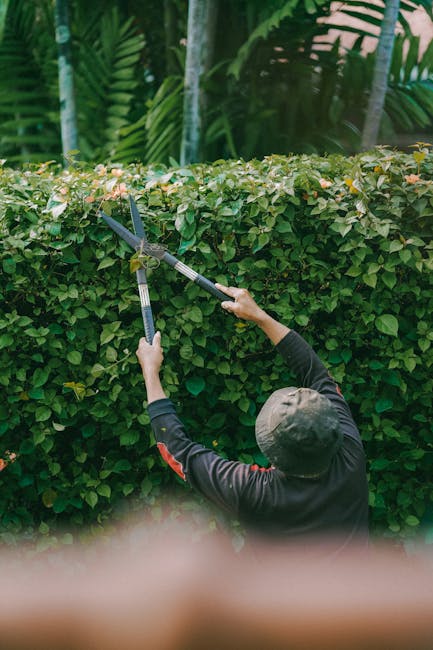
If you are comparing garden help in DA8, the price is only half the story. The real question is whether the gardener will turn up on time, understand the job properly, and leave your outdoor space looking cared for rather than merely "done." This DA8 gardeners price guide and what to know before hiring breaks down the main cost factors, the services most people ask for, and the practical checks that save you from awkward surprises later. It is written for homeowners, landlords, and anyone who wants a tidy, workable garden without paying over the odds.
Let's face it: gardens in DA8 can range from compact town plots to more demanding spaces with heavy growth, awkward access, or a lawn that seems to have had a quiet rebellion. So the best hire is not always the cheapest. It is the one that matches the job, the timing, and the level of care you actually need.
Why DA8 gardeners price guide and what to know before hiring Matters
Garden work is one of those services where the final result depends heavily on what happens before the tools come out. Two people can say "garden tidy-up" and mean completely different things. One expects a quick mow and sweep. The other means hedge cutting, weed clearance, leaf collection, and taking away the waste. That mismatch is where budgets go sideways.
A proper price guide helps you understand what you are paying for and what changes the cost. In DA8, that matters even more because local properties often have different layouts, access points, and garden sizes. A narrow side path, a locked rear gate, or a garden with years of overgrowth can all change how long the work takes. Not dramatically every time, but enough to matter.
There is also peace of mind. When you know the usual pricing structure, you can spot vague quotes more easily. That does not mean every low quote is bad, but if the detail is thin, you may be heading for a "that'll be extra" conversation halfway through the job. Nobody enjoys that.
If you are planning broader outdoor improvements, it can help to look at the bigger picture too. Some jobs sit neatly beside others, such as regular garden maintenance, lawn mowing, or even a more structural project through landscaping support. The point is to match the service to the outcome you want, not just the cheapest line on a quote.
How DA8 gardeners price guide and what to know before hiring Works
Most gardener pricing in practical terms comes down to time, labour, waste, access, and equipment. That is the simple version. The real version is a bit messier, but still manageable once you know what to ask.
For smaller jobs, a gardener may quote by the hour or offer a fixed price after a quick look. For clearer, repeatable tasks, such as routine mowing or hedge trimming, a standard visit price is often easier for both sides. Larger work, like garden clearance or overgrown borders, usually needs a site visit or at least a detailed description with photos. Otherwise, it is guesswork, and guesswork is a poor business model for everyone.
Here is what typically pushes a quote up or down:
- Garden size: bigger spaces take longer, simple as that.
- Condition: routine maintenance costs less than a badly neglected garden.
- Type of work: mowing, hedge trimming, clearance, pruning, or soft landscaping are priced differently.
- Waste removal: green waste collection and disposal often add to the total.
- Access: awkward entry points can slow the job and increase labour time.
- Frequency: regular visits often work out better value than one-off rescues.
- Season: spring and early summer can be busier, and that can affect availability.
It is worth remembering that the cheapest number on paper is not always the cheapest outcome. A quote that includes the right labour, the right waste handling, and realistic time estimates can be better value than a bargain price that misses half the job.
For a fuller view of how estimates are usually structured, you may also want to review the company's pricing and quotes guidance. That sort of page is useful because it tells you whether the business prefers fixed pricing, tailored estimates, or something in between.
Key Benefits and Practical Advantages
A solid gardener price guide does more than help you budget. It helps you make better decisions, and that tends to save money in the long run. Funny how that works.
First, it reduces uncertainty. If you know the likely cost range for maintenance, hedge work, or clearance, you can plan around it instead of delaying the job for months and letting the problem grow.
Second, it helps you compare like with like. One quote may include green waste removal while another excludes it. One may include cutting back brambles; another may treat that as an extra. Comparing without detail is a bit like comparing two meals when one plate has hidden chips under a napkin.
Third, it makes recurring care easier to manage. A small, regular spend on maintenance often prevents the big, painful spend on a full clearance later. You will notice this especially after a wet spring, when growth seems to arrive overnight.
Fourth, it supports better communication. If you know your priorities-tidy lawn, controlled hedge height, safer paths, or a full reset-you can brief the gardener more clearly. Clear brief, better quote, fewer misunderstandings.
For many homeowners, the biggest practical win is simply having the garden feel usable again. A tidy space changes how the whole property feels. The smell of cut grass, the clean edge along a path, the difference between "we really should do something about this" and "actually, this is nice." It matters more than people admit.
Who This Is For and When It Makes Sense
This guide is useful if you fall into any of these groups:
- Homeowners who want regular upkeep without overpaying.
- Landlords preparing a property between tenancies or keeping outdoor areas presentable.
- Busy families who need the garden controlled rather than perfectly curated.
- Older residents who want reliable help with heavier or repetitive tasks.
- People with overgrown gardens who need a realistic plan, not a vague promise.
- Anyone planning improvements such as new borders, hard landscaping, or decking work.
It also makes sense if you are not sure whether you need one-off help or ongoing care. That is a very common situation, actually. Someone starts by wanting a quick tidy, then realises the problem is not one job but a garden that has slipped for months. In that case, a one-off clearance may be the start, followed by lighter, regular visits.
If the space needs a more substantial reset, you may need to pair maintenance with garden clearance or even explore landscape gardening if the layout itself is part of the problem. A patchy lawn and a cramped border arrangement can make the whole garden feel harder to manage than it needs to be.
Step-by-Step Guidance
If you want the hiring process to feel calmer and more predictable, use this simple sequence. Nothing fancy. Just practical.
- Walk the garden first. Note the biggest issues: long grass, tangled hedges, weeds, debris, weak fencing, or poor access.
- Decide the main outcome. Do you want a tidy-up, ongoing maintenance, or a full clear-out?
- List the priority tasks. Be specific. "Cut back hedge, mow lawn, remove waste" is better than "general garden help."
- Take a few clear photos. Wide shots and close-ups help a gardener understand the scale before quoting.
- Ask what the quote includes. Labour, disposal, materials, travel, and whether VAT is relevant, if applicable.
- Check availability and timing. Some jobs are best done sooner rather than later, especially if growth is getting out of hand.
- Confirm access arrangements. Key pickup, gate codes, parking, pets, and any neighbour considerations.
- Agree the aftercare. If it is a one-off job, ask what routine care would prevent the same issue returning.
That last step is often ignored, but it is one of the smartest. A garden rarely stays tidy by accident. It needs a rhythm. Sometimes only a light one, but still a rhythm.
If the work involves hedges or shaping, it may be worth comparing with hedge trimming services. If it is a simple seasonal refresh, a regular maintenance visit can be the better-value option. Choice depends on the condition of the space, not just the headline price.
Expert Tips for Better Results
Here are the small details that tend to make a surprisingly big difference.
1. Ask for the scope in plain English. Don't let the conversation drift into vague phrases like "sort the borders" unless you both know exactly what that means. "Remove weeds from front bed, edge lawn, and clear clippings" is much stronger.
2. Separate maintenance from restoration. A garden that is kept tidy every few weeks is not the same as a garden that needs rescuing after six months of neglect. The labour profile is completely different.
3. Think about waste before the job starts. A pile of branches, turf, or cuttings can disappear quickly once the work begins. Make sure you have agreed who is taking it away and how.
4. Be honest about access. If the only route is through the house, or the rear alley is narrow, say so. Surprises at the gate are never ideal.
5. Keep a note of what was done. Especially if you want ongoing help. A tiny record of dates, tasks, and seasonal issues can make future visits more efficient.
6. Consider the whole outdoor picture. If the garden feels cluttered or awkward, the issue may go beyond plants. A worn deck, poor layout, or unusable corner can make maintenance harder. In that situation, decking services or broader service options may be more relevant than more mowing alone.
One practical tip from experience: if your garden is currently in "don't look at it too long" territory, start with a first visit that focuses on the worst problems. You do not have to solve everything in one go. That's not how most real gardens work, anyway.
Common Mistakes to Avoid
Most hiring problems come from a few predictable mistakes. The good news? They are easy to avoid once you know what to look for.
- Choosing purely on price. The cheapest quote can omit disposal, skip detail, or underestimate labour.
- Not defining the scope. "Tidy the garden" is too broad unless it is backed up with specifics.
- Assuming every gardener offers the same service. Some focus on maintenance, others on clearance or landscaping, and the tools and pricing differ.
- Forgetting about repeat work. One-off jobs can look affordable until the garden needs the same level of work again two months later.
- Ignoring insurance and safety. If work involves ladders, power tools, or tree-related tasks, this matters a great deal.
- Not checking disposal arrangements. Waste left behind changes the value of the job very quickly.
Another easy mistake is not asking whether the gardener can advise on longer-term care. Good professionals usually can. They may point out that a lawn needs feeding, that a hedge is being cut at the wrong time of year, or that a border would benefit from a less demanding planting scheme. Useful stuff, that.
Tools, Resources and Recommendations
You do not need specialist equipment to prepare for a quote, but a few simple tools help you get more accurate answers.
- Phone camera: take wide shots of the whole garden and close-ups of problem areas.
- Notepad: list the tasks in order of priority so nothing gets forgotten.
- Measuring tape: helpful for long hedges, awkward borders, or larger lawns.
- Calendar: useful for planning regular visits around growth spurts and busy household periods.
- Photo folder: keep before-and-after images if you want to track progress over time.
For service planning, these pages are particularly relevant: lawn mowing if the main issue is a struggling lawn, tree lopping and removal if branches or larger vegetation are causing trouble, and recycling and sustainability if you care about how green waste is handled.
If you are still at the research stage, it can also help to read about the company itself. A page such as about the team gives useful background on approach, experience, and service style. That kind of context is underrated. People often spend more time comparing prices than comparing reliability, and then wonder why the cheapest option felt expensive in the end.
Law, Compliance, Standards, or Best Practice
For garden work in the UK, a lot of the relevant expectations are based on safety, insurance, and sensible professional practice rather than one single rulebook. That said, a reputable gardener should still work in a way that is careful, lawful, and proportionate to the task.
Here are the main things to be aware of:
- Public liability insurance: sensible protection if something goes wrong on site.
- Safe use of tools and ladders: especially important for hedges, pruning, and tree-related work.
- Waste handling: green waste should be removed and handled responsibly if this is part of the agreed service.
- Clear terms: the job should be described clearly enough that both sides know what is included.
- Risk awareness: wet ground, hidden debris, unstable branches, and slippery surfaces all need proper attention.
You may also want to check pages such as health and safety policy and insurance and safety for a better sense of how a company approaches these responsibilities. That does not tell you everything, of course, but it gives a useful signal.
Best practice is straightforward: confirm the work scope, confirm the price basis, confirm waste disposal, and confirm access. Do those four things properly and most of the common problems disappear before they start. Not all of them, but most.
Options, Methods, or Comparison Table
Not every garden needs the same kind of service. Here is a simple comparison that should help you decide what sort of help fits your situation best.
| Service approach | Best for | Typical pricing style | What to watch for |
|---|---|---|---|
| One-off tidy-up | Quick refresh, seasonal reset, light overgrowth | Fixed quote or hourly rate | Scope creep if tasks are not listed clearly |
| Regular maintenance | Lawn care, weeding, border upkeep, hedge control | Per visit or recurring arrangement | Skipping visits can lead to faster regrowth |
| Garden clearance | Severe overgrowth, neglected plots, rental turnaround | Site-based quote | Waste removal and labour can change the total |
| Landscaping project | Layout changes, new surfaces, structural improvements | Project quote | Materials, access, and prep work affect cost |
If the garden is mostly healthy but simply needs keeping on top of, maintenance is usually the most sensible route. If it has become difficult to walk through, clear access and removal may matter more first. And if the layout itself is making the space awkward, then some form of landscaping is worth discussing before you spend too much on repeated short-term fixes.
Case Study or Real-World Example
A very typical DA8 scenario goes like this. A homeowner has a medium-sized rear garden that looked fine in early spring, then got away from them after a busy few weeks. By the time they start thinking seriously about it, the lawn is patchy, the hedge has pushed out into the path, and the borders have become a small forest of weeds. Nothing catastrophic, just annoying enough that every time they open the back door, they feel a bit guilty.
They ask for quotes using the phrase "general tidy-up." One gardener assumes a light mow and sweep. Another assumes hedge cutting, weed removal, and waste disposal. The quotes come back all over the place. Confusing? Absolutely.
Once the homeowner lists the tasks properly, the picture clears up:
- Mow and edge the lawn
- Cut back the hedge along the rear boundary
- Remove weeds from front and rear borders
- Collect and remove all green waste
- Advise on whether the lawn needs follow-up care
Now the quote becomes meaningful. The gardener can estimate time, equipment, and waste handling properly. The homeowner can decide whether they want a one-off rescue or a short maintenance plan afterwards. That is the key point: specific briefs save time and reduce stress. Simple, but powerful.
And yes, the finished garden usually feels very different. A tidy path, a cleared edge, the light sound of a mower, and suddenly the space is back. It sounds small, but it really lifts the place.
Practical Checklist
Use this before you hire anyone for garden work in DA8.
- Define the job: maintenance, clearance, hedge work, mowing, or landscaping.
- List the priorities: what must be done now, and what can wait.
- Take photos: especially of overgrown, messy, or hard-to-access areas.
- Ask what is included: labour, waste removal, materials, and follow-up.
- Confirm access: gates, parking, keys, neighbours, pets, and water supply if relevant.
- Check safety and insurance: especially for ladders, tree work, or larger equipment.
- Compare quotes fairly: only compare like with like.
- Ask about next steps: what regular care would stop the same issue from returning?
- Read the terms: payment timing, cancellations, and how changes are handled.
- Keep records: useful for repeat work and budgeting later on.
Expert summary: if you want better value, do not just ask "how much?" Ask what the job includes, how waste is handled, and whether the price reflects a one-off clear-up or a longer-term maintenance pattern. That single shift in how you ask can save a lot of hassle.
Conclusion
A good DA8 gardener is not just a pair of hands with a mower. They are part planner, part problem-solver, and part reality check. The best value comes from matching the job to the right level of service, setting a clear scope, and understanding what genuinely affects price. Once you do that, hiring becomes far less stressful and a lot more predictable.
Whether your garden needs a quick refresh, regular care, or something more involved, the main thing is to start with clarity. Know what you want, ask direct questions, and choose someone who explains the quote plainly. That is usually the sign of a professional worth keeping.
If you are ready to move from browsing to action, it makes sense to review the relevant service details, look over the company's approach, and then get your figures together. A clear brief leads to a clearer quote, and that is usually where the best outcomes begin.
Get a free quote today and see how much you can save.
Frequently Asked Questions
How much do gardeners in DA8 usually charge?
Prices vary depending on the size of the garden, the amount of work needed, access, and whether waste removal is included. Small routine jobs are usually more affordable than overgrown clearances or larger landscaping work.
Is it cheaper to book a one-off gardener or regular maintenance?
Regular maintenance often works out better value over time because the garden stays under control. One-off visits can be cheaper upfront, but neglected gardens usually take longer and cost more to restore.
What should be included in a gardener's quote?
A proper quote should explain the tasks, labour, waste disposal, and any extras such as materials or specialist equipment. If any part of the job is unclear, ask for it in writing before agreeing.
Do I need to be home when the gardener visits?
Not always, but it helps for the first visit or if the job involves access arrangements. If you can't be there, make sure instructions are clear and agreed in advance.
What is the difference between garden maintenance and garden clearance?
Maintenance is about keeping a garden tidy on an ongoing basis, while clearance deals with heavier overgrowth, accumulated waste, and areas that need a bigger reset.
Should I choose a gardener with insurance?
Yes, that is a sensible check. Insurance matters more when the job involves ladders, tools, tree work, or anything that could cause damage or injury if something goes wrong.
Can a gardener help if my hedge is badly overgrown?
Yes, many can, but it is important to say how overgrown it is and whether access is awkward. Hedges can take more time than people expect, especially if they have not been cut back for a while.
What questions should I ask before hiring a gardener?
Ask what the price includes, whether waste removal is part of it, how long the work will take, and whether the gardener recommends follow-up care. Clear answers usually mean fewer surprises later.
How do I know if a quote is fair?
Compare the scope, not just the number. A fair quote should reflect the actual amount of work, the level of mess or overgrowth, access, and any removal or disposal involved.
Is it worth hiring a gardener for small jobs?
Often yes, especially if the job keeps growing into something larger. Small regular jobs can prevent bigger, more expensive clear-ups later on, which is the bit people often forget.
What if I need garden help beyond mowing and weeding?
If the garden needs structural changes, new surfaces, or a layout rethink, you may need broader support such as landscaping or decking work. That kind of decision is usually best made after the basic maintenance issues are under control.
How far in advance should I book a gardener in DA8?
As early as you can if the job matters by a certain date, such as a move, event, or seasonal change. Spring and early summer tend to be busier, so waiting too long can make availability tighter.